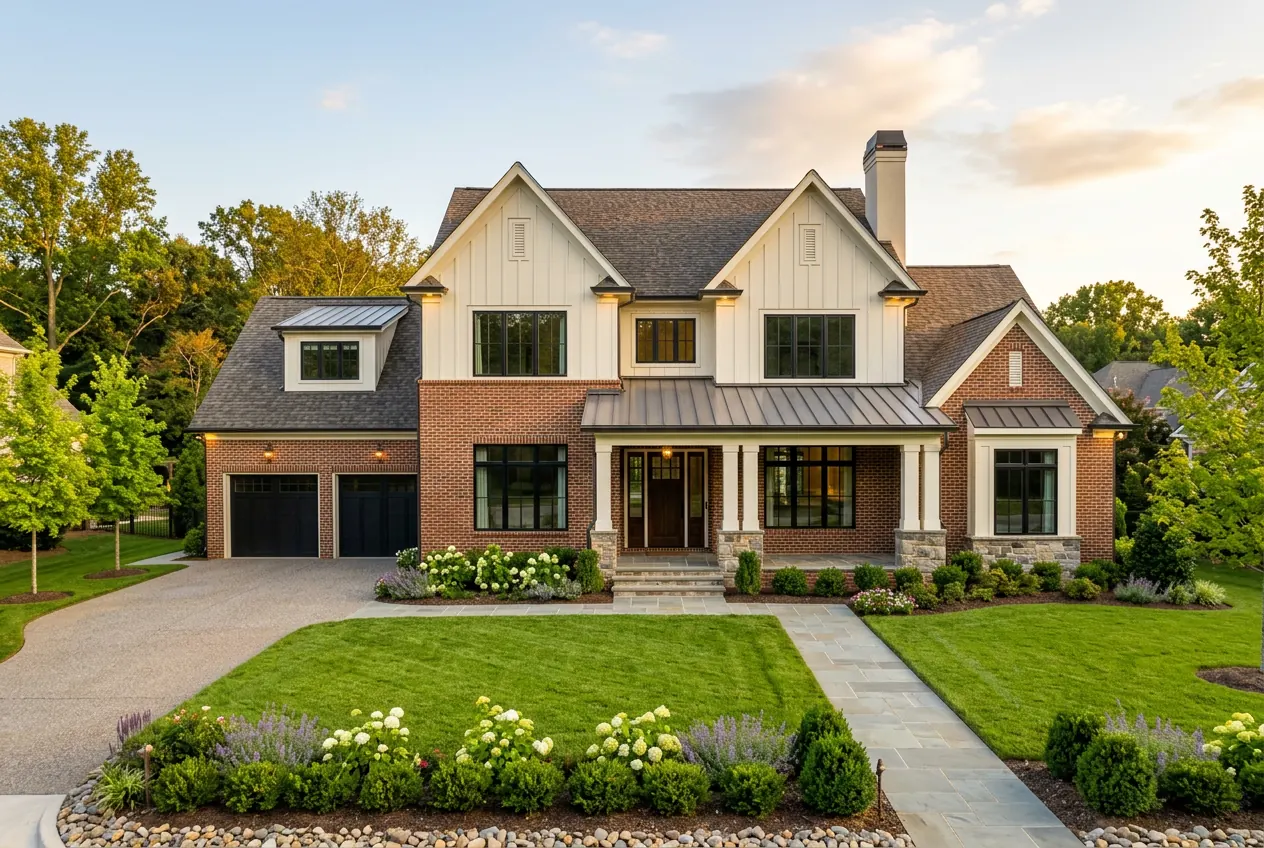
Finding the right lot is the foundation of every custom home project—and in Charlotte's market, it requires strategy because the best lots rarely sit on the MLS for long. Here's how to find and evaluate building land across the metro.
Where to find lots: The MLS lists available lots, but many of Charlotte's best building opportunities come through other channels. Teardown properties in established neighborhoods (a $400K ranch on a premium Myers Park lot worth $800K as a building site) are often better deals than vacant lots. Off-market opportunities surface through connected real estate agents and builders who know when estate sales, investor dispositions, or developer lots become available. Peters Team Realty and Peters Custom Homes both maintain networks specifically for lot seekers.
Lot evaluation checklist—things your builder should inspect before you buy: Soil conditions: Charlotte sits on Piedmont clay, which is expansive (swells when wet, shrinks when dry). A geotechnical report ($1,500–$3,000) reveals soil bearing capacity and whether you'll need engineered foundations, pier systems, or structural fill. Skip this step at your peril. Topography: Sloped lots can create stunning homes but cost 15–30% more to build due to retaining walls, stepped foundations, and drainage engineering. Flat lots are cheapest to build on. Trees: Charlotte's tree ordinance requires permits for removing trees above certain caliper. Large heritage trees near the building envelope may restrict where you can place the home. Utilities: Confirm availability of water, sewer (or perc test for septic), natural gas, and power. Running utilities to a remote lot can add $20K–$100K+. Setbacks and buffers: Charlotte's 2023 Unified Development Ordinance (UDO) changed many setback rules. Verify what you can build and where on the lot—side, front, and rear setbacks vary by zoning district. Flood zone: Check FEMA flood maps. Even lots not in a flood zone may have drainage easements or wetland areas that restrict building.
Charlotte lot prices (2026 ranges): Developing suburbs (Harrisburg, Indian Trail, Lake Wylie): $75K–$175K Established suburbs (Huntersville, Cornelius, Matthews): $100K–$275K South Charlotte (Ballantyne corridor): $150K–$400K Premium suburbs (Weddington, Marvin, Davidson): $175K–$500K City infill (Dilworth, Plaza Midwood, NoDa): $200K–$500K Prestige neighborhoods (Myers Park, Eastover, Foxcroft): $500K–$1.5M+ Lake Norman waterfront: $300K–$1.5M+ (varies by frontage and water depth)