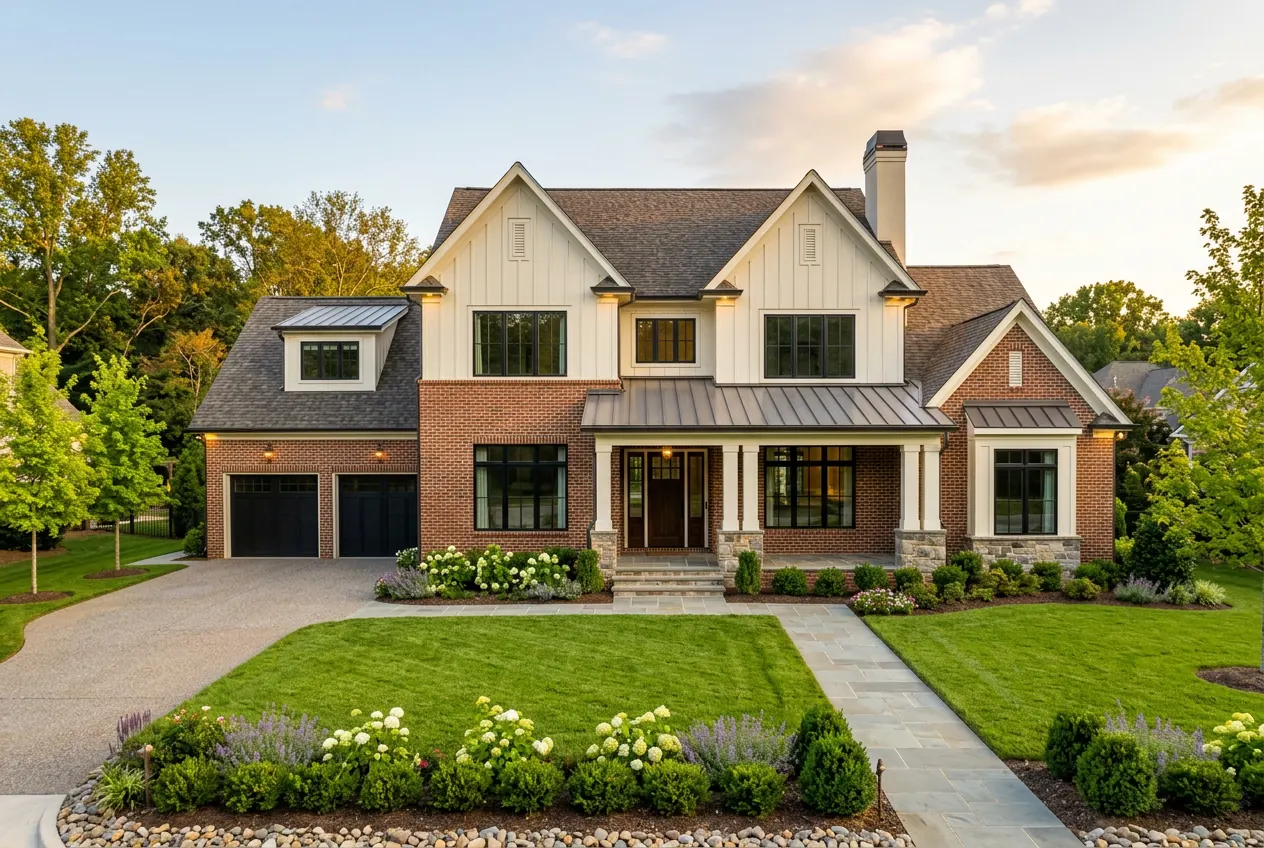
A construction contingency is a reserve for uncertainty, not proof that a project will exceed its contract. This guide does not report a survey of Charlotte builds or a measured average overrun. Its examples explain how to recognize, price and control risk in your own agreement.
Separate scope changes from unexpected work
An owner-selected upgrade changes the agreed scope. An undiscovered subsurface condition may require additional work even when the drawings are unchanged. A price escalation clause can shift supplier increases to the owner. These are different risks and should not be hidden under one miscellaneous allowance. Ask your builder which risks are included in the fixed price and which remain yours.
Track the complete commitment
Keep columns for original allowance, selected specification, approved commitment, paid amount and remaining reserve. Include taxes, delivery and installation when comparing selections. An appliance advertised at a retail price is not the installed package cost if it requires cabinetry alterations, electrical changes or ventilation work. Do not spend contingency twice by using it for both optional upgrades and unknown site work.
Illustrative contingency arithmetic
On an assumed $600,000 construction contract, a 10% reserve is $60,000 and a 15% reserve is $90,000. These percentages are examples, not observed Charlotte averages or recommendations for every project. If an approved $18,000 change uses the reserve, the $60,000 starting reserve falls to $42,000. The correct reserve depends on design completeness, site investigation, contract allocation and financing capacity.
Site conditions and allowances
Before committing to a lot, identify grading, drainage, utility extensions, access and geotechnical investigation requirements. A visual visit cannot establish bearing capacity or rule out rock. Have the appropriate professionals define investigation scope and limitations. Require provisional amounts to show what work they cover and what event triggers repricing.
Control changes before work starts
Get a written description, drawings where needed, total price, schedule effect and payment terms before authorizing a change. Check whether the stated price includes associated trades and builder fees. Keep one agreed revision record so drawings, selections and purchase orders do not conflict. A verbal instruction can be misunderstood even when everyone is acting in good faith.
Delays affect more than construction
Track interest, accommodation, storage, insurance and overlapping housing expenses separately. Ask the lender how extensions affect fees and draw timing. Build a downside schedule using your actual monthly expenses rather than an assumed universal delay cost. Decide in advance which optional items can be deferred without affecting occupancy, drainage, safety or essential operation.
Close the loop each month
Review committed costs and remaining work with the builder and lender. An apparently large bank balance can be misleading when invoices for ordered materials have not arrived. Before releasing the final payment, use the contract’s completion, inspection, lien-document and punch-list procedures. Contingency left at completion is not automatically money available for upgrades until all obligations are understood.