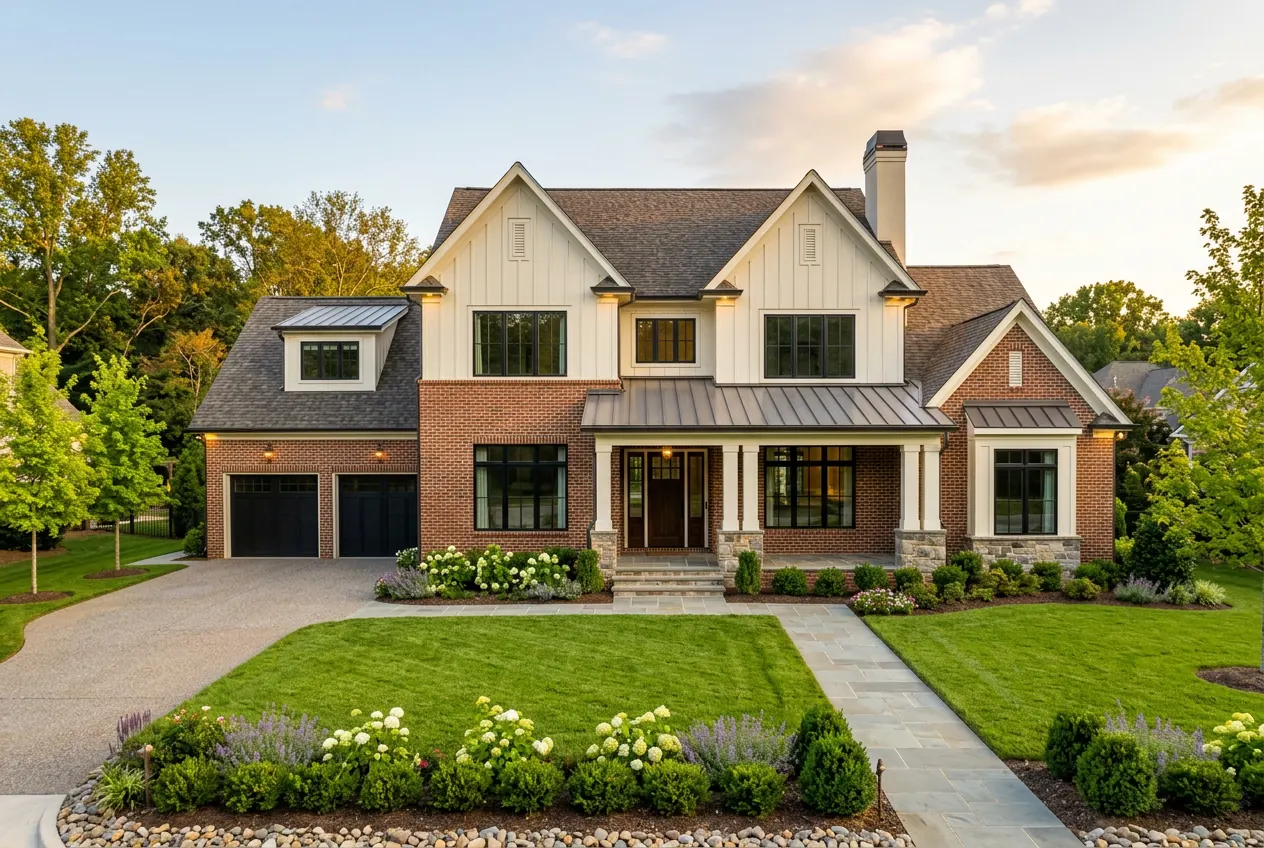
Charlotte Price Per Square Foot: Build vs Buy in Charlotte, North Carolina

    Charlotte Price Per Square Foot: Build vs Buy

    Calculate and compare Charlotte home price per square foot with consistent area definitions, land costs, condition and a complete construction scope.

    Start with the denominator

    Price per square foot divides a stated cost by a stated area. Verify how conditioned space is measured, whether finished below-grade space is included and how garages, porches or unfinished rooms are treated. Two figures are not comparable if their area definitions differ. Ask for the supporting measurements and use one definition consistently in your comparison.

    Separate land from construction

    A resale home price includes the property interest and usually the existing improvements. A builder’s vertical construction rate may exclude land, site work, design, permits, landscaping and financing. Comparing those numbers directly can make building appear cheaper when the full project is not. Put every excluded cost into the same worksheet before deciding.

    Use a transparent example

    For an assumed $750,000 purchase and 3,000 square feet, the purchase ratio is $250 per square foot. An assumed $660,000 vertical construction contract for the same area is $220 per square foot. Adding hypothetical land of $180,000 and other project costs of $60,000 raises that new-build total to $900,000, or $300 per square foot. These are scenarios, not observed Charlotte prices.

    Account for quality and condition

    A small, extensively renovated home can have a higher ratio than a larger home needing major work. Layout, light, site constraints and building systems matter even when the ratios match. Price the required repairs and intended changes separately. Do not assume a low ratio is value until inspection and legal checks explain what comes with the property.

    Avoid a false build premium

    There is no verified neighborhood-by-neighborhood build premium established on this page. Use dated comparable sales and written bids with matching specifications. An appraisal may not assign the same value to every dollar spent on construction, particularly when the scope differs from nearby buyers’ expectations.

    Use more than one measure

    Review complete price, monthly expense, usable layout and project risk alongside the ratio. For building, include a downside budget and schedule; for buying, include condition and assessment exposure. The ratio is one screening tool, not a replacement for valuation, inspection or a realistic household budget.

    Frequently Asked Questions

    Start with the denominator — what should I do?

    Price per square foot divides a stated cost by a stated area. Verify how conditioned space is measured, whether finished below-grade space is included and how garages, porches or unfinished rooms are treated. Two figures are not comparable if their area definitions differ. Ask for the supporting measurements and use one definition consistently in your comparison.

    Separate land from construction — what should I do?

    A resale home price includes the property interest and usually the existing improvements. A builder’s vertical construction rate may exclude land, site work, design, permits, landscaping and financing. Comparing those numbers directly can make building appear cheaper when the full project is not. Put every excluded cost into the same worksheet before deciding.

    Use a transparent example — what should I do?

    For an assumed $750,000 purchase and 3,000 square feet, the purchase ratio is $250 per square foot. An assumed $660,000 vertical construction contract for the same area is $220 per square foot. Adding hypothetical land of $180,000 and other project costs of $60,000 raises that new-build total to $900,000, or $300 per square foot. These are scenarios, not observed Charlotte prices.

    Account for quality and condition — what should I do?

    A small, extensively renovated home can have a higher ratio than a larger home needing major work. Layout, light, site constraints and building systems matter even when the ratios match. Price the required repairs and intended changes separately. Do not assume a low ratio is value until inspection and legal checks explain what comes with the property.

    Avoid a false build premium — what should I do?

    There is no verified neighborhood-by-neighborhood build premium established on this page. Use dated comparable sales and written bids with matching specifications. An appraisal may not assign the same value to every dollar spent on construction, particularly when the scope differs from nearby buyers’ expectations.

    From the Publisher’s Businesses

    Related Articles

    Ready to take the next step?

    market-datapricingplanning