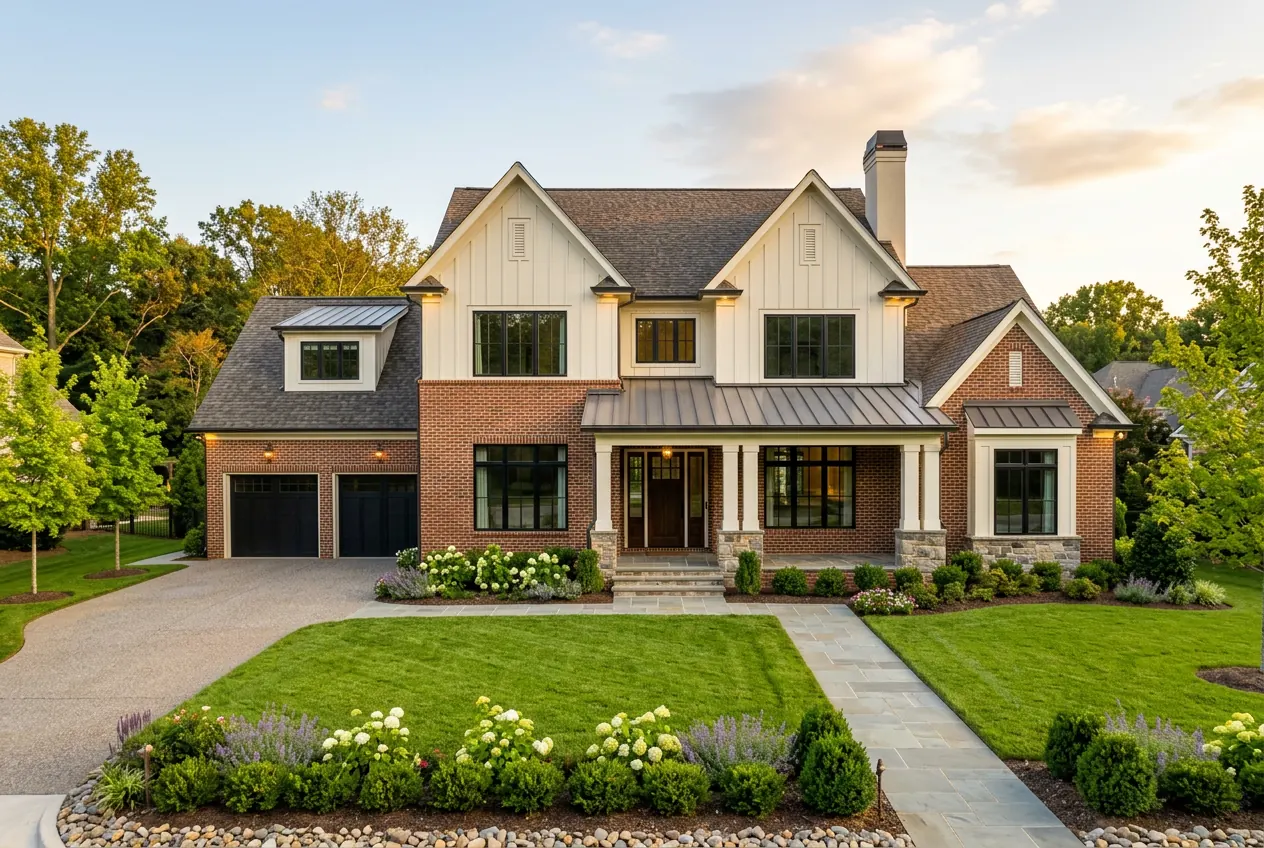
Builders are running a business, and like any business, they're not going to volunteer information that might complicate the sale. Here's what Charlotte builders won't proactively tell you.
## 1. Their Markup on Materials Is 15–30%
When a builder quotes "$50,000 for cabinets," they're paying $35,000–$42,000. This is normal and legitimate — it covers management, warranty support, and coordination. But you should know it exists.
**What to do**: Don't try to supply your own materials (builders hate this and add management fees). Instead, negotiate the overall package.
## 2. The Timeline Will Be Longer
Builders quote optimistic timelines because longer timelines make buyers nervous. A "10-month build" in Charlotte reality is 12–15 months.
**What to do**: Add 30–40% to any quoted timeline for your planning purposes.
## 3. Change Orders Are Their Profit Center
Some builders price the base contract thin and make their profit on change orders, which carry higher markups (30–50% vs. 15–20% on contract work).
**What to do**: Finalize everything before signing. A detailed spec sheet is your best protection.
## 4. Not All Subcontractors Are Equal
Builders use different tiers of subcontractors depending on price pressure. During busy periods, they may use second-tier subs to maintain volume.
**What to do**: Ask who will do your framing, electrical, and plumbing. Check their reviews. You have the right to know.
## 5. "Standard" Means Different Things
One builder's "standard" countertop is laminate; another's is quartz. The base price means nothing without a detailed spec sheet.
**What to do**: Always compare detailed specifications, not base prices.
## 6. The Warranty Has Limitations
Builder warranties (typically 1-year workmanship, 2-year systems, 10-year structural) have many exclusions. Cosmetic settling cracks, minor drainage issues, and landscaping are often excluded.
**What to do**: Read the warranty document BEFORE signing the contract. Ask about what's NOT covered.
## 7. Your Lot May Have Issues
If a builder is selling you their lot, they've already assessed the site conditions and factored costs into their pricing. If YOU'RE bringing a lot, the builder may not tell you about potential site issues until after you've committed.
**What to do**: Get an independent site assessment before buying any lot.
## 8. The Model Home Is Fully Upgraded
That beautiful model home has $80,000–$150,000 in upgrades beyond the base price. The base home will look significantly different.
**What to do**: Ask for the model home's upgrade list and prices. Visit a base-spec home if possible.
## 9. They Can Negotiate (Sometimes)
In slower markets, builders have margin to negotiate on price, upgrades, or closing costs. In hot markets, they won't. Charlotte's current market is in between.
**What to do**: Always ask. The worst they can say is no. Best timing: end of quarter, end of year, or during inventory builds.
## 10. Energy Efficiency Claims Need Verification
"Energy efficient" is a marketing term without certification. Actual HERS ratings vary significantly between builders.
**What to do**: Ask for the HERS rating or Energy Star certification. Get it in writing.