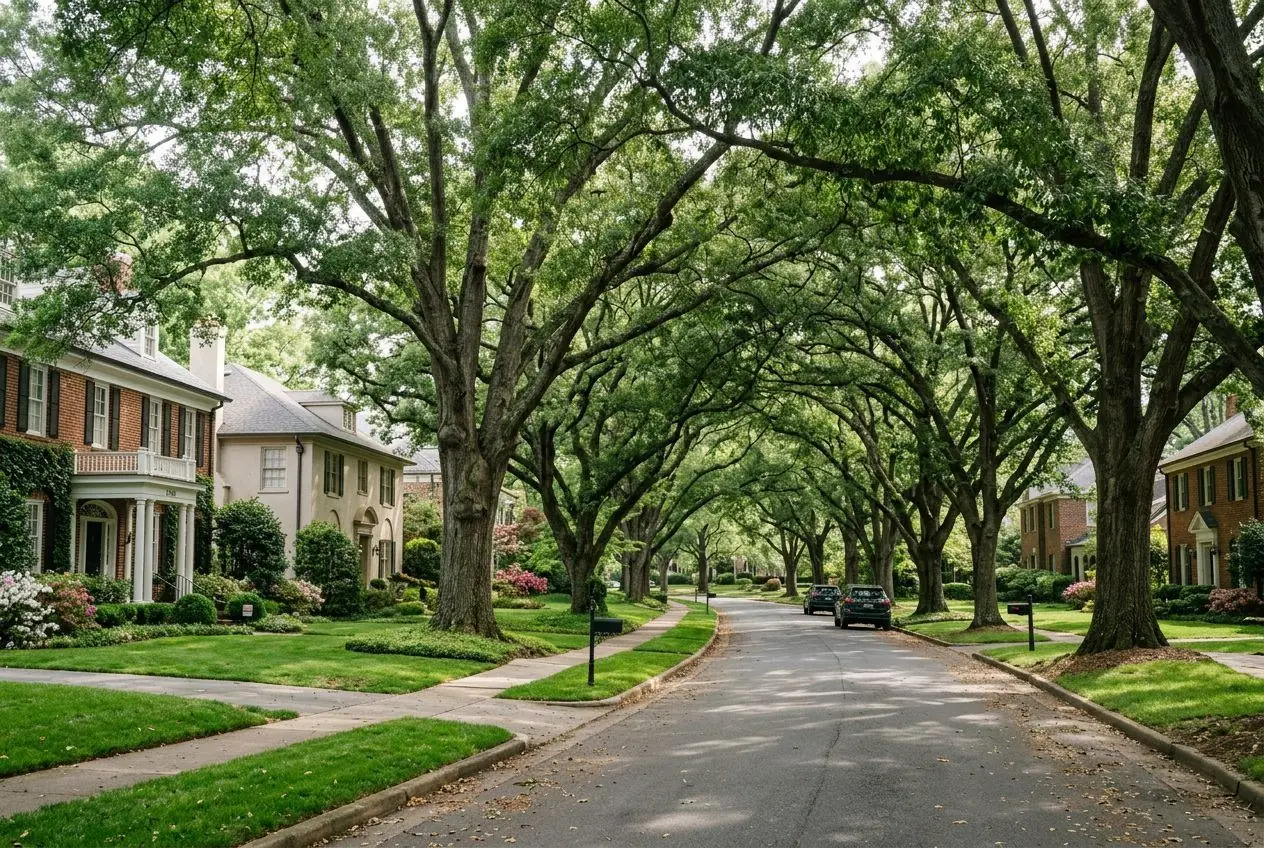
Charlotte's real estate market in 2026 reflects a market finding its new normal after the post-pandemic frenzy. Key metrics paint a nuanced picture: median home prices are up approximately 4–6% year-over-year (compared to 15–25% annual gains in 2021–2022), inventory has improved to roughly 2.5 months of supply (up from under 1 month in 2022, but still below the 4–6 month "balanced" threshold), and days on market average 25–35 for well-priced listings.
The market is distinctly two-speed. Homes under $500,000 remain competitive with multiple offers in desirable school districts—the Ballantyne, Huntersville, and Fort Mill corridors are especially tight. Above $750,000, buyers have more leverage, with inventory lasting longer and negotiation on price and terms becoming more common.
Mortgage rates, hovering in the 6.5–7.5% range, have cooled demand compared to the 3% rate era but haven't crashed the market. Charlotte's strong job market—fueled by continued expansion from Bank of America, Honeywell (relocated HQ here in 2021), Lowe's, and a growing tech sector—sustains fundamental demand. The metro adds roughly 15,000–20,000 new residents annually.
Neighborhood-specific trends vary significantly. South End and NoDa condo/townhome values softened 3–5% as more supply came online. Myers Park and Eastover single-family homes held firm with limited inventory. Suburban growth corridors like Indian Trail and Harrisburg continue appreciating as infrastructure catches up to population growth.
For sellers: pricing at or slightly below market generates the most activity in today's environment. The days of listing 10% above comps and getting multiple offers are over in most segments. For buyers: the increased inventory means you can take time to find the right home without the panic bidding of 2021–2022. Working with an neighborhood-savvy agent like Peters Team Realty who tracks neighborhood-level data daily provides a critical advantage for both buyers and sellers navigating Charlotte's nuanced market.