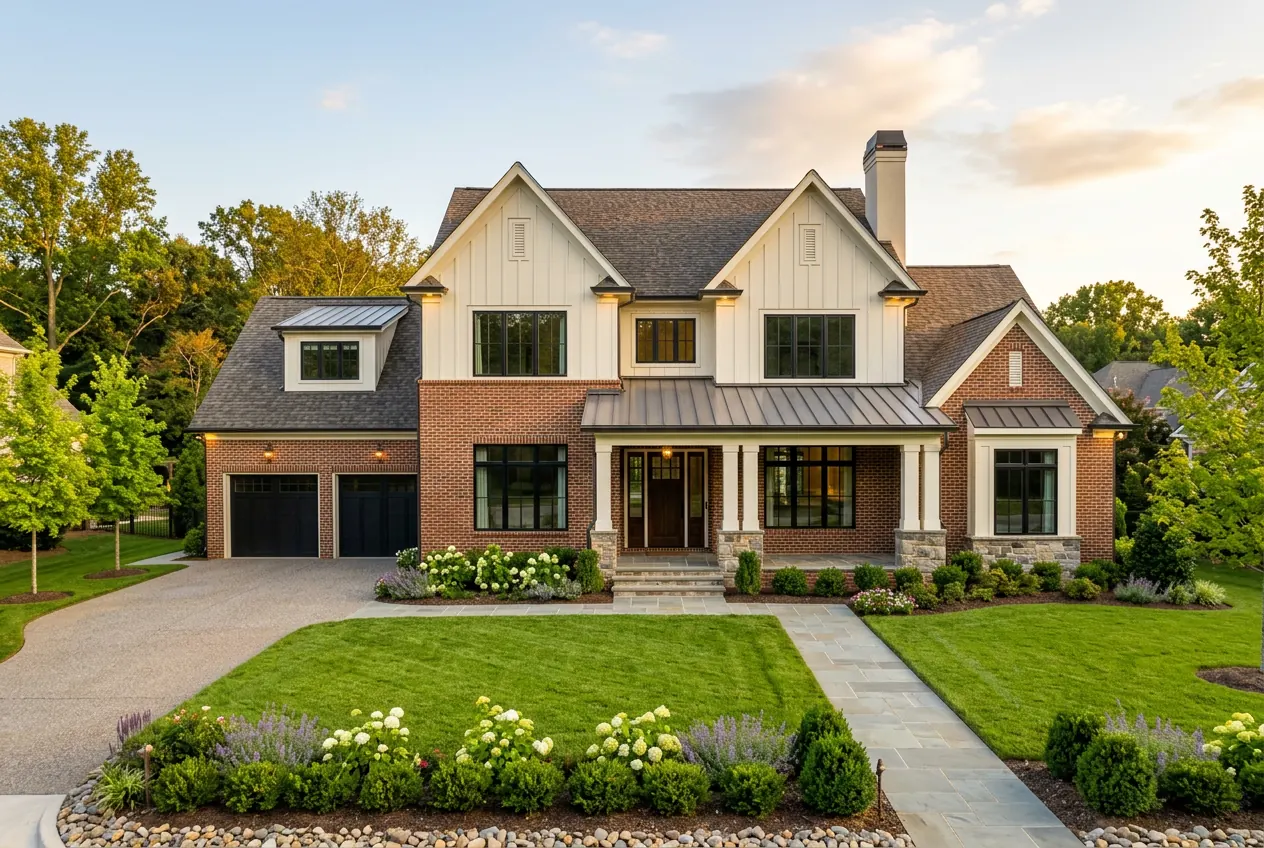
Charlotte’s zoning and building code landscape changed significantly with the June 2023 adoption of the Unified Development Ordinance (UDO), replacing the patchwork of rules that governed development for decades.
Key UDO changes affecting homeowners: Accessory Dwelling Units (ADUs) are now permitted on most single-family lots city-wide—a major shift. You can build a detached unit up to 800 sq ft or convert existing space (garage, basement) without a rezoning hearing. Setback and height requirements vary by zoning district. Missing Middle Housing: The UDO introduced new place types that allow duplexes, triplexes, and townhomes in areas previously zoned exclusively for single-family homes. This is controversial but reflects Charlotte’s growth pressure.
Building permits in Charlotte-Mecklenburg: All structural work, electrical, plumbing, and HVAC require permits through Mecklenburg County Code Enforcement. Permit timeline: Simple projects (deck, fence) 5–10 business days. Renovations with structural changes: 2–4 weeks. New construction: 4–8 weeks. You can check zoning for any parcel using the POLARIS mapping system (Mecklenburg County GIS). This free tool shows zoning designation, setbacks, flood zones, and property boundaries.
Common permit pitfalls: Unpermitted work kills deals—Charlotte home inspectors and appraisers flag additions, finished basements, and bathroom additions that lack permits. Retroactive permits are possible but expensive. Fence rules: 6 ft max in rear/side yards, 4 ft max in front yards. HOA rules often add further restrictions. Tree ordinance: Charlotte requires a tree survey and tree save plan for most development. Heritage trees (certain species over 36 inches in diameter) are protected.
For renovation projects, start with a pre-application meeting at the Mecklenburg County Land Use and Environmental Services Agency (LUESA). This free consultation can save weeks of back-and-forth on permits.